

Bitesize training courses → Communication skills → Presentation skills
Training course: Presentation skills
For many people, public speaking sits somewhere between "mildly uncomfortable" and "genuinely terrifying." Most will have sat through enough lifeless presentations to know exactly what not to do. Fewer have had the chance to learn what actually works, and to practise it in a safe, supportive environment where honest, constructive feedback is provided.
Presentation skills are a set of learnable techniques, and with the right coaching and the right structure, the transformation can be remarkable. This intensive workshop takes small groups through every dimension of great presenting, from crafting a narrative that lands to managing nerves, handling questions and using slides as a tool rather than a script. Participants get individual attention, personalised feedback and the chance to practise presenting material they actually use in their work.
One full day or 2 x 2.5-hour sessions • two day course available
In-person or remote • 4-8 participants
Rated 4.7/5 ★★★★★ from 83 recent reviews
About this bitesize training course
What separates a memorable presentation from a forgettable one is rarely the content. It’s almost always the craft: the clarity of the structure, the confidence of the delivery, the ability to read the room and adapt, and the skill to handle whatever comes up in the questions.
This workshop addresses all of it. Participants begin with purpose, the often-skipped step of being crystal clear about what the audience needs to hear rather than simply what the presenter wants to say. This shift in perspective is one of the most immediately impactful things we teach, and it tends to improve presentations before participants have even thought about delivery.
From there, the session works through structure, storytelling, slide design, vocal delivery, body language, nerves management and Q&A, each one with dedicated practice time so the learning becomes physical rather than theoretical. Because the group is kept deliberately small, our trainer can give individual attention and personalised, constructive feedback to every participant, including on presentations built from their own real-world material.
Key details
this bitesize training course is available as one day, two 2.5-hour sessions or a 2-day course and packed with powerful techniques to deliver scintillating presentations, stress-free.
designed for small groups of 4 – 8 participants
delivered by an expert trainer at your workplace, or virtually
interactive, with plenty of exercises that get people talking
customisable, to connect with your organisation’s values
Who this course is for
-

Professionals who present regularly but know they could do it with more confidence and impact
-

Individuals preparing for a high-stakes presentation, pitch or conference appearance
-

People whose nerves are a genuine barrier to performing at their best in front of an audience
-

Teams where presentations are a critical part of winning business, influencing stakeholders or driving change

“Maximal learning in a short, but intense, session. This is definitely the way forward for management training, as far as I am concerned.”
Professor Niamh Moran, Royal College of Surgeons Ireland ★★★★★
What participants will learn
By the end of this BiteSize training course, participants will be able to:
Define the key elements of a compelling presentation and apply them consistently
Plan and structure presentations that engage the audience and deliver a clear, memorable message
Make intelligent, purposeful use of slides and other visual materials
Manage nerves effectively and use grounding techniques to support a confident physical delivery
Handle questions and interactions with composure and credibility
Adapt their delivery style to different audiences and contexts
💡This is a practical, interactive session designed to create lightbulb moments that participants can take back to the workplace immediately.
Core topics covered

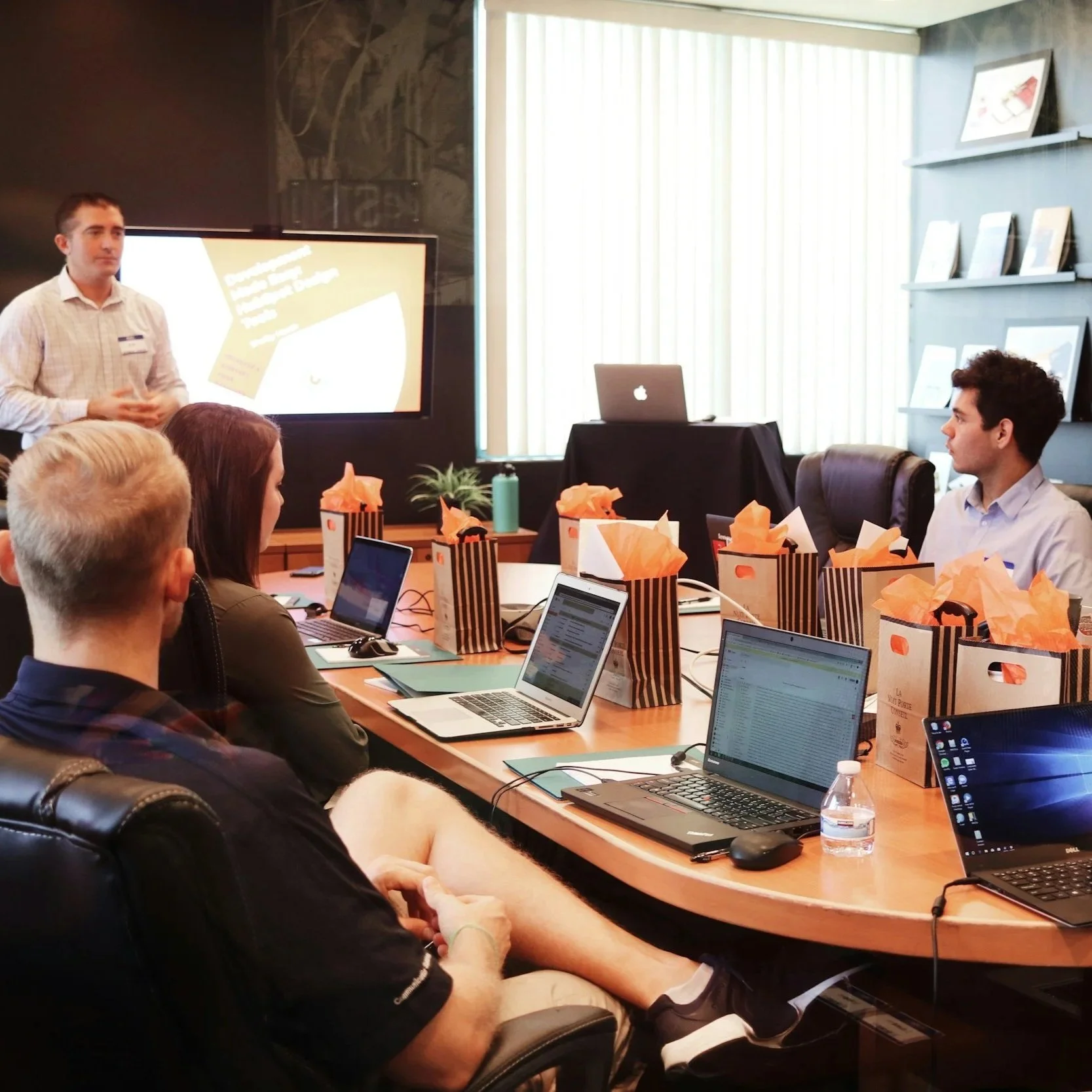
Purpose and audience
Every great presentation starts with a clear answer to two questions: what do you want your audience to think, feel or do differently, and what does your audience actually need to hear? Participants learn to set clear objectives and shift their perspective from speaker-first to audience-first, a reframe that immediately makes presentations more relevant and engaging.
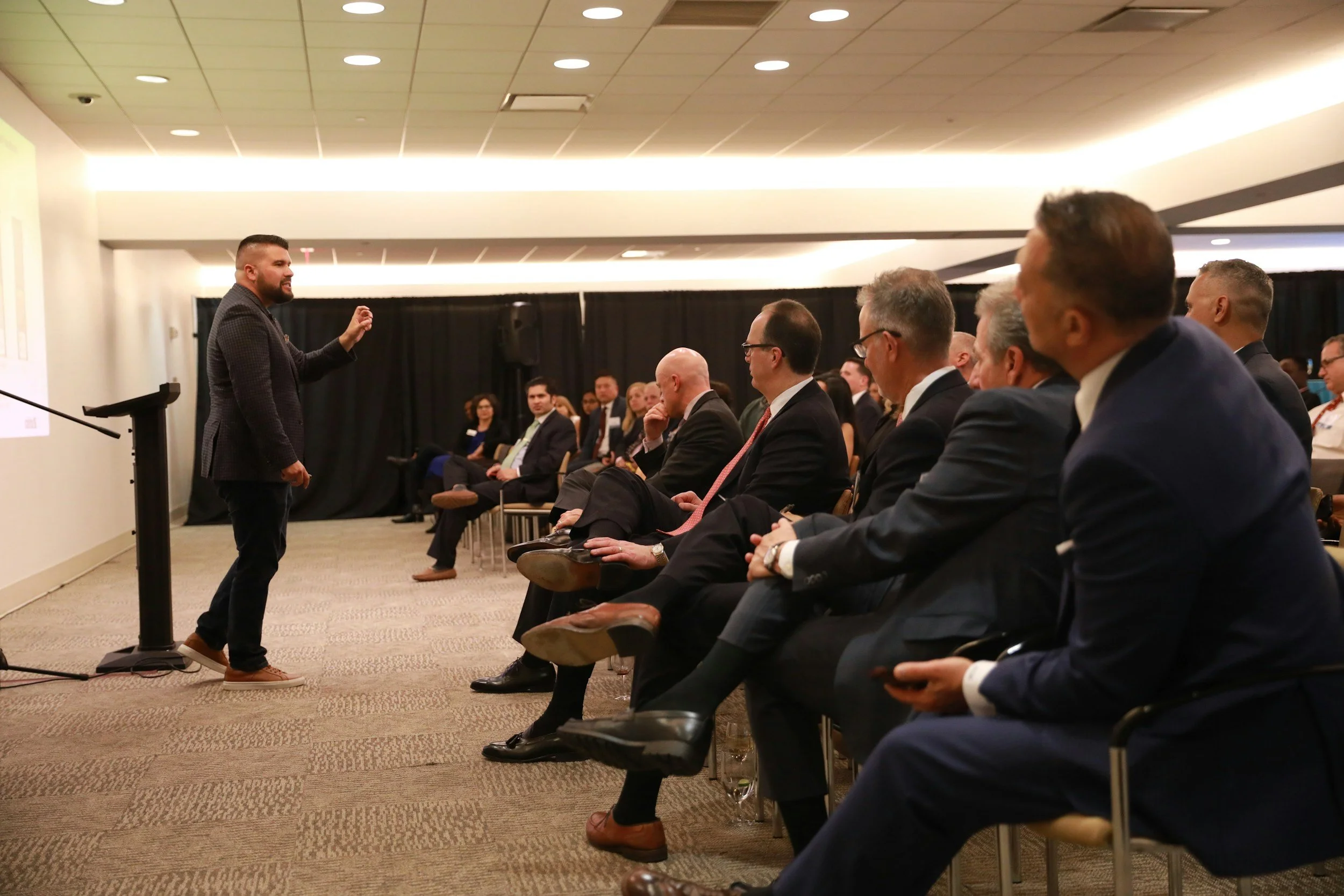
Voice, body language and energy
How something is said matters as much as what is said. Participants work on vocal technique, including pace, pitch, tone and pause, alongside the body language signals that convey confidence and authority. This section includes specific, practical techniques for projecting energy and presence even in situations that feel uncomfortable.

Structure and storytelling
A well-structured presentation is far easier to follow and far easier to deliver. Participants work with practical frameworks for building presentations that have a clear beginning, middle and end, explore the power of storytelling and the rule of three, and practise powerful opening and closing techniques that give their presentations real shape and momentum.

Managing nerves
Nerves are normal. The goal is not to eliminate them but to work with them. Participants learn grounding techniques and practical strategies for managing anxiety before and during a presentation, so that nerves become fuel rather than interference.
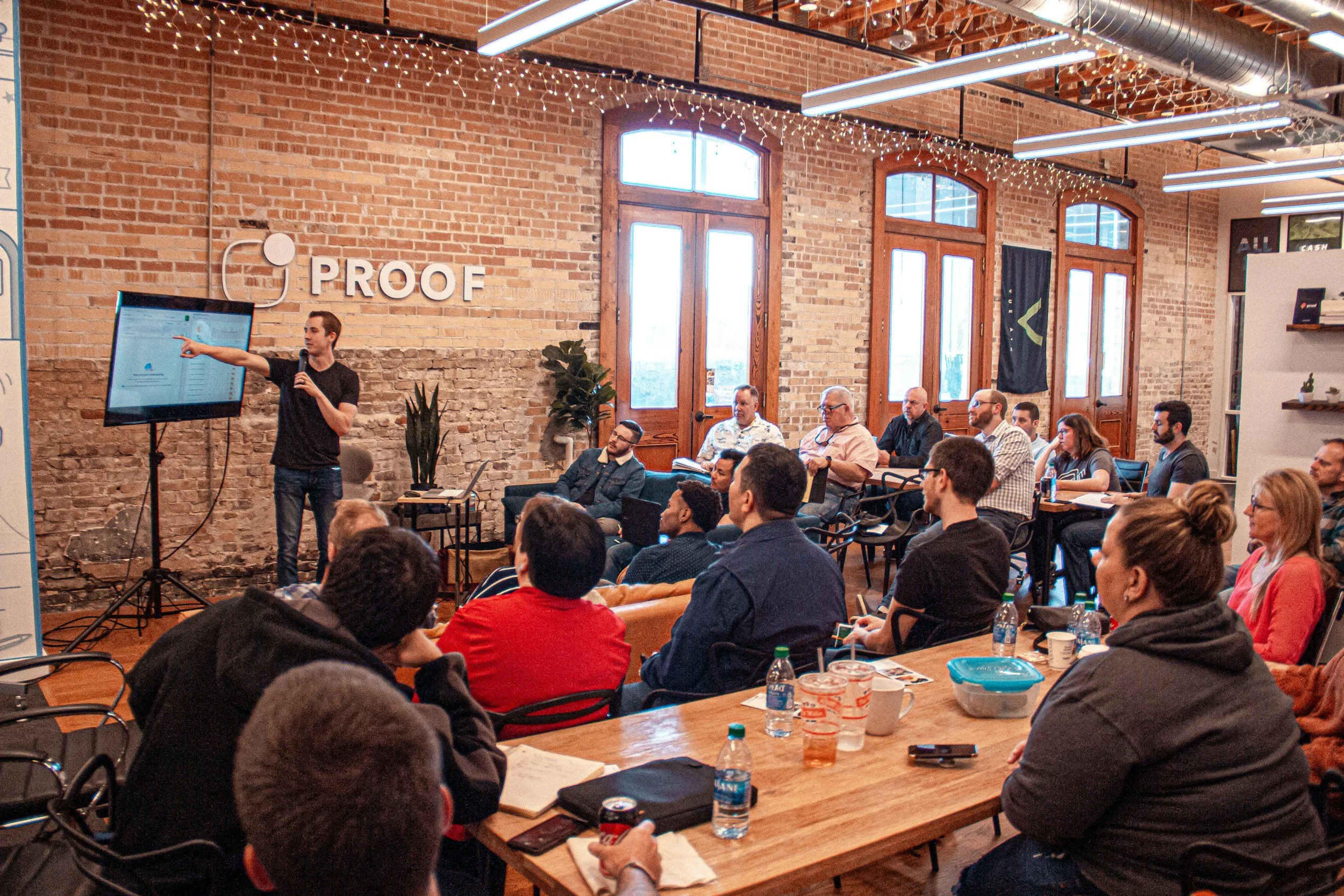
Slides and visual aids
Slides should amplify a message, not replace it. Participants learn how to design and use visual aids that support rather than distract, including how to create visual notes that jog memory without becoming a crutch and how to manage the relationship between what is on screen and what is being said.
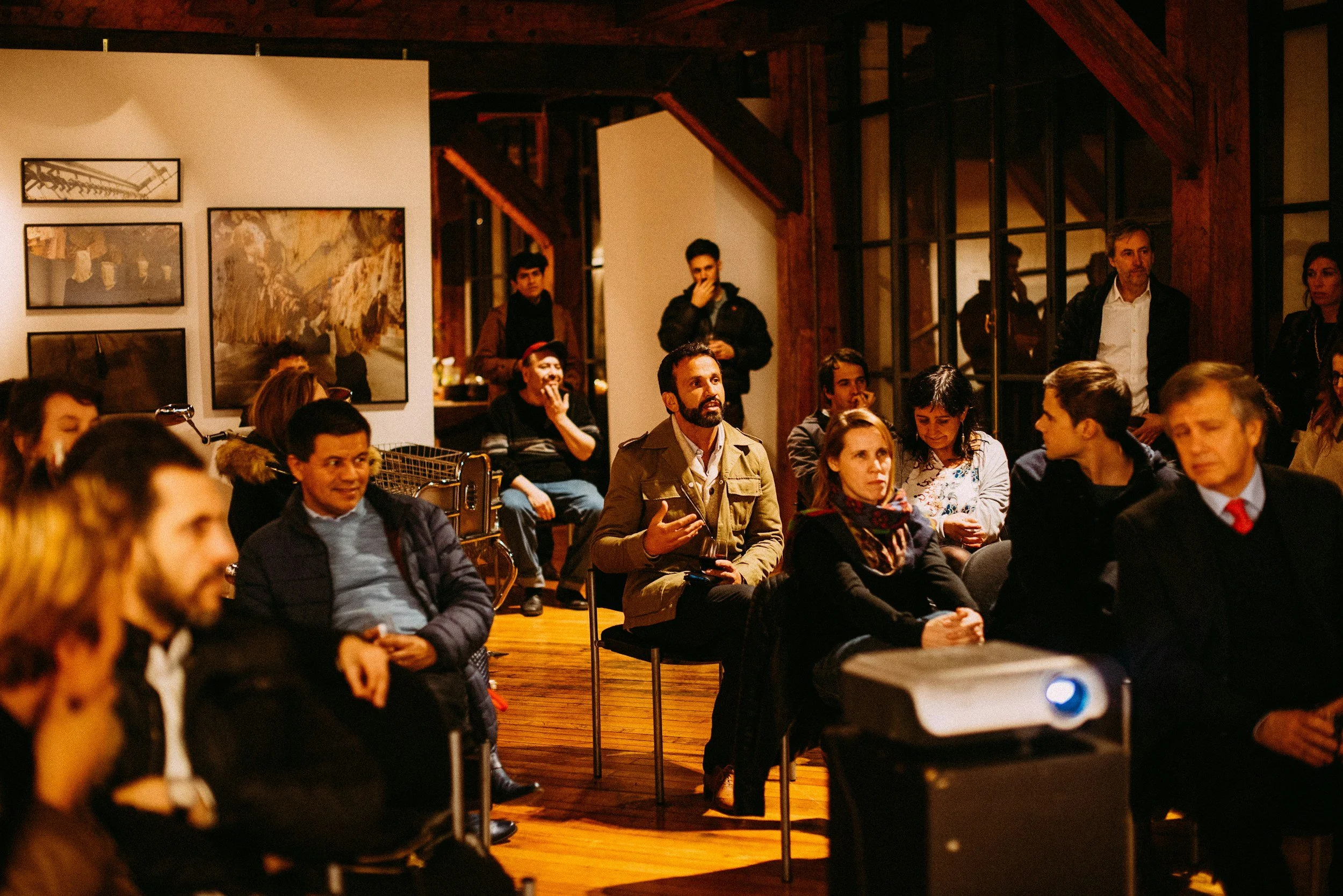
Handling questions
Q&A is where many presentations unravel. Participants practise techniques for reflecting, reframing and responding to questions confidently, including how to handle challenging, unexpected or hostile questions without losing their composure or credibility.

Recent reviews of the ‘Presentation skills’ training course
-
“The course content is good, practical, and informative, and our trainer was friendly, enthusiastic, encouraging, and aware of what she is explaining. She provided constructive feedback during our presentation. I was quite amazed that she could pick up so many things and type out her feedback and explain to us, whether the positive ones or things that need to improve.”
★★★★★ -
“The content & structure of the course were excellent; themed sections were arranged logically & coherently, making the information and tips easily digestible. Trainer was very empathetic and accommodated each trainee's specific concerns and helped us all to work on improving individual weaknesses.”
★★★★★ -
“I've taken some other presentation courses, but this one had some really helpful content and the trainer was also able to add more insight and clarity that helped too. I tried one of the techniques that stuck out to me during the presentation at the end of the course, and I found it worked well. Thanks!”
★★★★★ -
“I liked the structure of the course and attention the instructor gave to every topic and attendee questions. Also, great opportunity to learn from peers!”
★★★★★ -
“Brilliant content, structure, and delivery. I learnt a lot.”
★★★★★ -
“The delivery was very clear and engaging. The content was useful and I felt I improved my presentation skills.”
★★★★★ -
“Very interactive! Great content and excellent explanation delivered by the trainer with real life examples and analogies.”
★★★★★ -
“Clear, actionable advice. I really liked the open discussions as well.”
★★★★★ -
“There were lots of practical tips and the time was used well. Our trainer was very engaging, knowledgeable and adapted to our particular company.”
★★★★★ -
“The course was really well tailored for our requirents, and I loved the fact we got to present something we actually use, and get feedback on real life slides which we can then put to use. And our trainer was a really engaging teacher!”
★★★★★ -
“Our trainer was brilliant, clear, direct, and full of energy, which made all the difference. Everything was relevant, and the interactive exercises really helped understand how I can implement this into my role.”
★★★★★ -
“Every aspect of the session was amazing. It was well organised and great learning experience. It was helpful to have a small group for individual attention. The presenter was knowledgeable and friendly and welcoming to everyone. Her tips and guidance will definitely go a long way in improving my presentation skills.”
★★★★★

Course Delivery
Our presentation skills workshop training courses are designed to be empowering, useful, and easy to fit into busy schedules.
-
2 hours, packed with high-impact learning
-
Delivered in-person anywhere in the world, or virtually for remote teams
-
Best for 4–15 participants to maximise engagement
-
Live, interactive, discussion-based with no long lectures or death by powerpoint
-
All our courses can be tailored to your organisation’s values, culture, and goals
-
Item description
Pair this with
Storytelling
Presentation structure and storytelling go hand in hand. This session goes deeper into the craft of narrative, helping participants build more compelling stories that connect emotionally as well as rationally.
Influencing and persuasion
For presentations designed to win over a specific audience or move people to action, this session provides the complementary skills of building a persuasive case and adapting to different decision-making styles.
Thinking under pressure
Presenting often goes off-script. This session develops the ability to think clearly, respond quickly and communicate confidently when things do not go to plan.
Provide useful presentation skills training for your team.
Outcomes you can expect
Organisations book this course to help teams:
Deliver presentations that genuinely inform, engage and persuade
Build confidence in front of audiences of all sizes and levels of seniority
Reduce the anxiety that stops talented people from performing at their best
Improve the quality of pitches, proposals and internal communications
Ensure that great ideas are communicated in a way that does them justice
💡Ask about a connected programme that’s built around your needs. We’ll help you shape a high-impact sequence that fits your calendar.
Ready to Get Started?
Empower your employees to deliver strong & engaging presentations.
Frequently asked questions
-
The one-day workshop covers all the core skills of presenting, from structure and storytelling through to delivery, nerves and Q&A. The two-day version allows more time for practice, deeper individual feedback and the opportunity to work through a full presentation from planning to delivery. It’s particularly well-suited to teams where presenting is a central part of the role or where participants have significant development to do. We are happy to talk through which format would be the best fit.
-
Because great presentation training depends on practice and individual feedback, and neither is possible in a large group. With up to eight participants, our trainer can give meaningful, personalised attention to every person in the room, including detailed feedback on each practice presentation.
-
Yes, and we actively encourage it. Participants are invited to bring real slides or presentations they’re currently working on so the feedback they receive is directly applicable to their actual work. This tends to produce much faster and more lasting improvement than practising on generic scenarios.
-
Yes. We address the specific challenges and techniques relevant to presenting on screen, including how to maintain audience engagement, use the camera effectively and deliver with energy and presence in a virtual environment. The course can also be delivered entirely virtually if preferred.
-
With care and a great deal of experience. Our trainers are skilled at creating a psychologically safe environment where everyone feels supported rather than judged. Nerves management is a dedicated part of the course content, and the session is paced to build confidence progressively rather than throwing participants in at the deep end. Some of our strongest feedback has come from participants who described themselves as very anxious at the start and felt a genuine shift by the end.
